
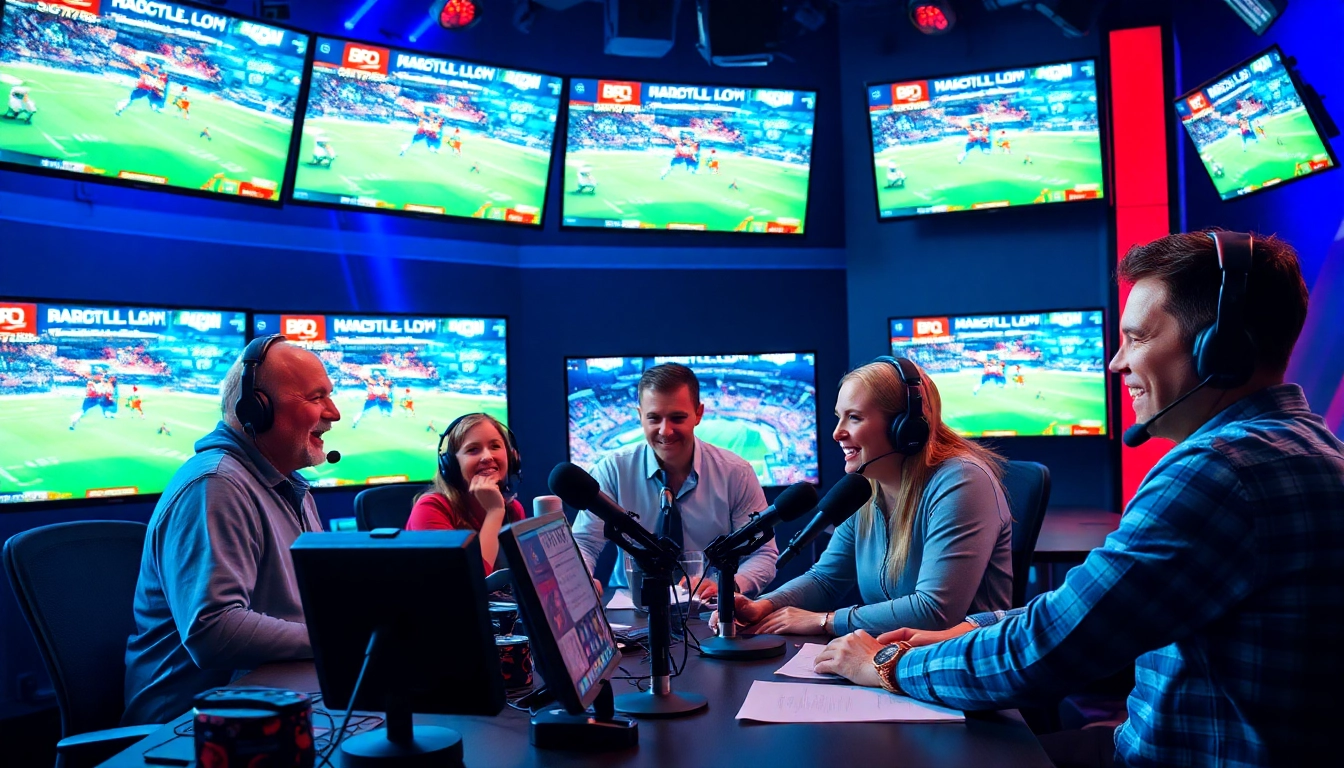
Understanding the Basics of Sports Broadcasting
What Is Sports Broadcasting?
Sports Broadcasting refers to the live or recorded transmission of sporting events for public viewership via various media platforms, including television, radio, and digital streaming. The essence of sports broadcasting lies in delivering real-time access to events, enabling fans to engage with their favorite teams and athletes from the comfort of their homes. Moreover, this industry operates under a complex framework of rights and partnerships that determine how and when content can be viewed. To explore more about this evolving sector, look into Sports Broadcasting, as it encompasses critical elements related to its history, impact, and technical advancements.
Types of Sports Broadcasting
Sports broadcasting can be categorized into several types, each serving different audiences and purposes:
- Live Broadcasting: This involves real-time coverage of sports events and is the most common format for traditional television and radio broadcasts.
- Delayed Broadcasting: Often used when live broadcasting is not feasible, this method provides highlights or entire events at a later time.
- Web Streaming: The rise of the internet has led to streaming services delivering live and recorded content via apps and websites.
- Pay-Per-View: Specialty events, such as boxing matches or exclusive tournaments, allow viewers to pay to access specific broadcasts.
- Mobile Broadcasting: With the proliferation of smartphones, many networks offer mobile apps for streaming live games or replays.
Key Technologies in Sports Broadcasting
The quality and reach of sports broadcasting have vastly improved due to technological advancements. Some key technologies include:
- High-Definition Video: HD cameras and broadcasting technologies provide viewers with sharper images and a more immersive experience.
- 4K and 8K Technologies: These offer an even higher resolution, showcasing details that enhance viewer enjoyment and engagement.
- Cloud Technology: Enables flexibility in broadcasting and storage, making it easier for networks to manage and distribute content efficiently.
- Augmented Reality (AR) and Virtual Reality (VR): These technologies are being increasingly used to create immersive viewing experiences, bringing fans closer to action.
Current Trends in Sports Broadcasting
Rise of Digital Streaming Platforms
The emergence of digital streaming platforms has dramatically changed the landscape of sports broadcasting. Services like Netflix for episodic content have inspired sports networks to create similar platforms, allowing fans to view games, highlights, and analysis any time and from anywhere. Not only do these platforms cater to traditional sports fans, but they also attract younger audiences who prefer digital access over conventional cable.
Enhanced Viewer Engagement Strategies
Sports broadcasters are continuously looking for ways to engage viewers beyond mere viewing. This includes the use of interactive features such as polls, live chats, and social media integrations that allow fans to participate during the event. Such strategies not only improve viewer retention but also contribute to greater overall satisfaction, making for a more enriching viewing experience.
Use of Virtual and Augmented Reality
Virtual and augmented reality technologies are redefining how audiences experience sports. These technologies offer novel ways to integrate advanced graphics into broadcasts, whether through player statistics displayed during the game or immersive environments that simulate being in the stadium. As these technologies become more accessible, they are expected to play a key role in shaping future broadcasts.
Challenges Facing Sports Broadcasting Today
Adapting to Changing Viewer Preferences
As the demographics of viewers evolve, so do their preferences. Younger audiences lean more towards on-demand content and mobile viewing options, prompting broadcasters to adapt their offerings accordingly. This shift requires a complete rethinking of content delivery models, challenging traditional broadcasting schedules and structures.
Navigating Legal and Licensing Issues
Legal matters in sports broadcasting can be complex and contentious. Rights agreements must be carefully negotiated and adhered to, especially as digital platforms introduce new challenges. Broadcasters must stay compliant with regulations regarding broadcasting rights and face potential legal actions if they fail to respect licensing agreements.
Competition from Social Media
The rise of social media has democratized sports coverage. Individuals and organizations can share highlights, commentary, and analysis on platforms like Instagram, Twitter, or TikTok, often going viral faster than traditional broadcasts. This not only presents direct competition but also influences viewing habits, forcing traditional broadcasters to adopt more engaging formats to retain viewership.
Best Practices for Successful Sports Broadcasting
Creating Engaging Content
Engagement is key in sports broadcasting. Providing viewers with rich narratives, behind-the-scenes content, and interviews with players can enhance their viewing experience. Storytelling, combined with appealing visuals and sound, helps maintain audience interest throughout each broadcast.
Utilizing Data Analytics
Data analytics plays a pivotal role in understanding viewer preferences and behaviors. By analyzing viewer data, broadcasters can make informed decisions about content, scheduling, and advertising strategies. This approach not only tailors content more effectively to audience expectations but also maximizes profitability through targeted advertising.
Adopting Innovative Technologies
To remain competitive, broadcasters must continuously integrate the latest technologies into their operations. Keeping abreast of new developments, from improved streaming quality to advanced graphics software, allows networks to provide exceptional viewing experiences, reinforcing brand loyalty among consumers.
Future Outlook for Sports Broadcasting
Impact of 5G on Sports Broadcasting
The introduction of 5G technology promises to revolutionize sports broadcasting by providing faster, more reliable connections. This could lead to improved streaming quality, reduced latency, and the ability to offer more data-rich experiences without buffering delays. The efficiency of 5G will allow for multiple camera angles, live statistics, and more interactivity.
Fan-Centric Broadcasting Models
The future of sports broadcasting will focus increasingly on the preferences and habits of the fan base. Personalized content, where viewers can choose their favorite angles, commentary, or highlight packages, is likely to gain traction. This shift toward fan-centric broadcasting could redefine the role of broadcasters in sports.
Sustainability in Broadcasting Practices
As global awareness of environmental issues increases, sports broadcasting must address sustainability as a core principle. Implementing environmentally-friendly practices in production and broadcasting management, like reducing waste in set design and promoting digital platforms, can make a significant impact on minimizing the industry’s overall carbon footprint.
Frequently Asked Questions
What is the main goal of sports broadcasting?
The primary goal of sports broadcasting is to provide real-time or recorded coverage of sporting events for fans to enjoy from various media platforms.
How has streaming affected traditional sports broadcasting?
Streaming services have altered traditional broadcasting by offering on-demand content, attracting younger viewers who prefer flexibility over standard television schedules.
What technologies are shaping the future of sports broadcasting?
Key technologies include high-definition video, augmented reality, and cloud-based services, all of which enhance viewing experiences for audiences.
How are broadcasters adapting to changes in viewer preferences?
Broadcasters are rethinking content delivery by focusing on on-demand viewing, interactive features, and personalized content offerings to meet audience expectations.
Will 5G influence sports broadcasting significantly?
Yes, 5G will enhance sports broadcasting by improving connection speeds, reducing latency, and enabling more interactive and data-rich viewing experiences.